
Fire Alarm
Commercial Fire Alarm Installation in Calgary
A commercial fire alarm system has to be designed and installed to code from day one. The panel, device placement, wiring, and notification coverage all have to meet the National Fire Code (Alberta Edition) and the Alberta Building Code for your building’s size, layout, and occupancy. Crew Technical Services designs and installs commercial fire alarm systems across Calgary for new builds, renovations, tenant improvements, and full replacements of aging or obsolete equipment.
As licensed electricians, we handle the whole installation, from design and permit coordination through wiring, device installation, and CAN/ULC-S537 verification, so your system is compliant and ready for occupancy. And because we also handle annual inspections, the team that installs your system can keep it compliant for its whole life.

Certifications & Affiliations
Licensed Electrical Contractor · ECAA Member · COR Certified · WCB Covered · BBB Accredited · CFAA Member

Why Calgary Businesses Choose Crew Technical Services
Fire alarm work demands accuracy and accountability. We focus on compliant installation, reliable performance, and clear coordination.

Code-Compliant Design
Systems designed to the National Fire Code (Alberta Edition) and Alberta Building Code.

Licensed Electricians
Installation handled by a licensed electrical contractor, not subcontracted out.

Verification Included
New and modified systems verified to CAN/ULC-S537 before they go into service.
Install to Inspection
The team that installs your system can also complete its annual inspections.
Accountable Service
Clear communication, clean workmanship, and lasting results.
Fire Alarm Installation Services We Provide
Our commercial fire alarm capabilities typically include:
New system design & installation — sized and engineered for your building, layout, and occupancy.
System upgrades & retrofits — replacing obsolete panels, adding devices, or extending coverage.
Panel & device replacement — swapping failed or discontinued control panels, detectors, and appliances.
Fire alarm wiring — new circuits, device wiring, and interconnection with building systems.
Monitoring connection — connecting the system to a signal receiving centre.
CAN/ULC-S537 verification — confirming the installed system meets design and functions correctly.
AHJ & permit coordination — handling the approvals a new or modified system requires.
CAN/ULC-S537 Verification
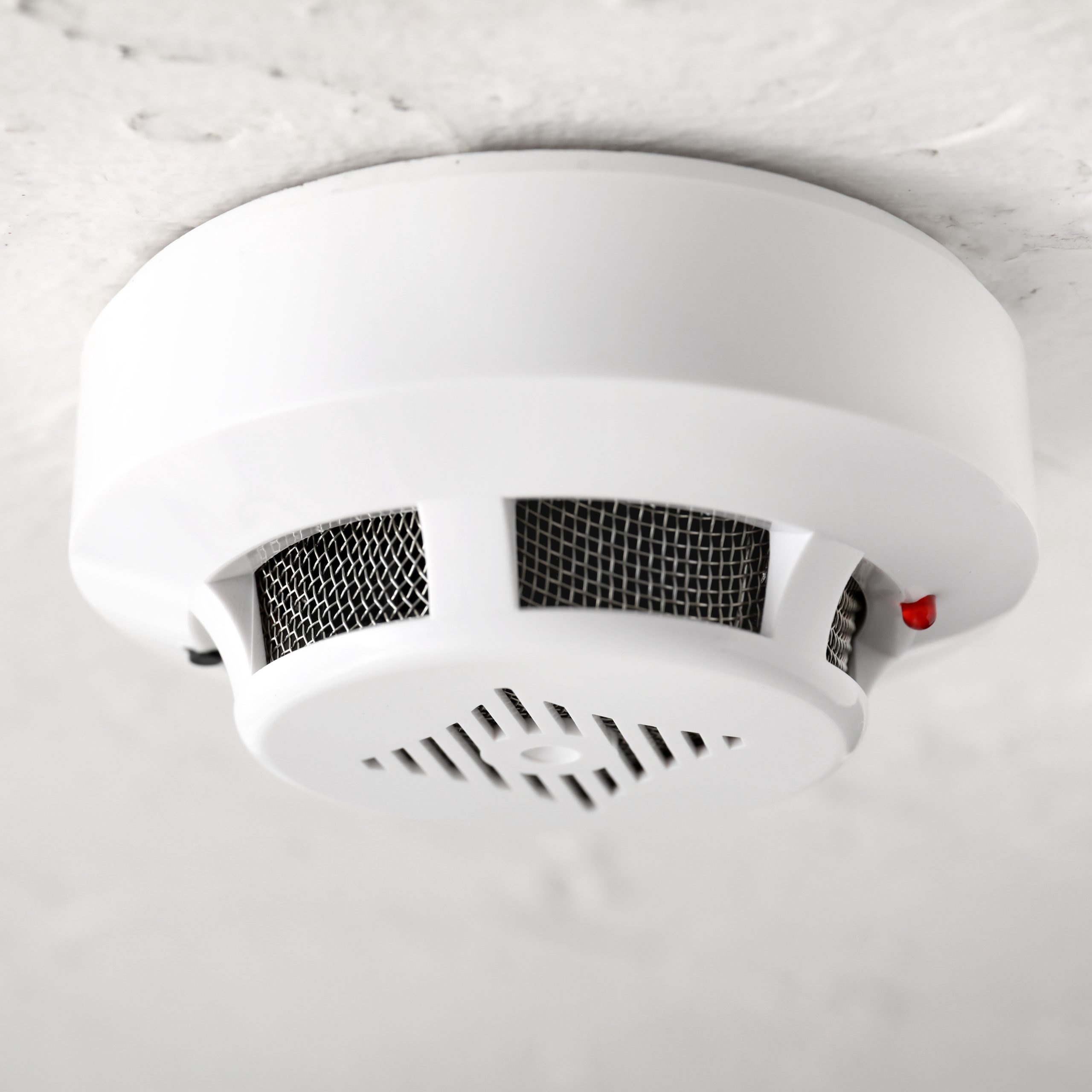
When a fire alarm system is newly installed or modified, it has to be verified before it’s placed in service. CAN/ULC-S537 is the national standard for that verification: a documented check confirming the installed system matches its design drawings and that every component operates correctly. Verification is separate from the annual CAN/ULC-S536 inspection. Verification proves a new or altered system was installed right, while the annual inspection confirms an existing system still works. We complete verification as part of installation and provide the report for your records and the AHJ.
What a Code-Compliant Installation Involves
A commercial fire alarm installation is more than mounting devices. It follows a defined path from design to a verified, occupancy-ready system.
1. Design & Scope
We design the system to your building’s size, occupancy, and code requirements, and coordinate any permits the work needs.
2. Installation & Wiring
Our licensed electricians install the panel, devices, and wiring, and interconnect the system with elevators, doors, and other building functions where required.
3. CAN/ULC-S537 Verification
Before the system goes into service, it’s verified to confirm every device and function performs as designed.
4. Handover & Documentation
You receive the verification report and documentation, and the system is ready for its ongoing annual CAN/ULC-S536 inspections.
Need electrical help in Calgary? Request a quote today.
When to Consider a New System or Upgrade
You’re building out a new space or planning a renovation or change of use
Your panel is obsolete, discontinued, or hard to source parts for
An inspection has flagged deficiencies that repairs can’t resolve
You’re expanding and need to extend detection or notification coverage
The system produces recurring nuisance alarms or trouble conditions

Frequently Asked Questions
Do I need a permit to install a fire alarm system?
Most commercial fire alarm installations and modifications require a permit and AHJ approval. We coordinate the permitting and approvals as part of the project.
What is CAN/ULC-S537 verification?
It’s the required verification of a newly installed or modified system, confirming it matches the design and functions correctly before it goes into service. It’s separate from the annual S536 inspection.
Can you upgrade my system without replacing everything?
Often, yes. If your panel and devices are still supported, we can add devices, extend coverage, or replace components rather than the whole system. Where equipment is obsolete, a full replacement may be the better long-term value.
How long does an installation take?
It depends on the building size and system complexity. We provide a timeline with your quote and schedule the work to minimize disruption.
Do you install systems in occupied buildings?
Yes. We stage installations and coordinate with building management to keep occupants safe and operations running throughout the work.
Can you also maintain the system after installation?
Yes. We complete the annual CAN/ULC-S536 inspections and any repairs, so one team handles the system for its whole life.
Build It Right From Day One
Whether you’re outfitting a new building or replacing an aging system, Crew Technical Services designs, installs, and verifies commercial fire alarm systems in Calgary that pass verification and protect your building. Request a quote from a licensed team that stands behind the work.
Related Services
Upgrading with a purpose? Did you know we can also help you with:
Emergency Lighting Inspections & Testing
Annual full-duration testing of emergency lights and exit signs.
Fire Extinguisher Inspections
Monthly and annual portable fire extinguisher inspection and maintenance.
Fire Alarm Inspections & CAN/ULC-S536 Testing
Annual inspection, testing, and reporting for existing systems.