by Talisee Carpenter | Sep 9, 2026 | Electrical Inspection
Behind the beautiful finishes of a Mount Royal character home sits wiring that has often served for the better part of a century, touched and altered by many hands along the way. An electrical inspection in Mount Royal is how you understand what is actually behind those walls before a hidden fault becomes a real problem. In one of Calgary’s oldest and most prestigious communities, that knowledge is worth having.
A Century of Different Wiring Practices
These homes carry history and craftsmanship, but their age means their electrical systems have lived through many eras of wiring practice. A house that has stood for a hundred years may hold a patchwork of original work, mid-century updates, and more recent repairs, and not all of it was done to the standard we would expect today. That layering is precisely why a heritage home benefits from a knowledgeable set of eyes, since what looks sound behind a freshly finished wall can hide the story of every renovation that came before.
What Might Be Behind the Plaster
The oldest character homes may still contain original knob and tube wiring in places, which carries its own considerations, as our explainer on knob and tube wiring describes. Later updates might have introduced aluminum branch circuits, and decades of small repairs by previous owners often add surprises of their own. None of this means a heritage home is unsafe, but it does mean the system deserves to be understood rather than assumed, and an inspection is what brings that reality into view.
What an Inspection Looks At
A thorough inspection goes well beyond confirming the lights turn on. An electrician checks the panel’s age, capacity, and condition, looks for signs of overheating or amateur work, and assesses the wiring, outlets, and connections throughout the home. It also confirms whether the house has the grounding and protection modern living calls for, and our look at a home electrical inspection walks through what a proper assessment includes.
The Grounding Gap in Older Homes
Many Mount Royal homes were wired long before modern grounding and circuit protection were standard, which can leave gaps that matter for today’s appliances and electronics. An inspection identifies where those gaps sit, from ungrounded outlets to missing ground fault and arc fault protection in the places the code now requires them. Knowing this gives you a clear, ordered picture rather than a vague worry, turning the safety of a beloved older home into a plan you can act on at your own pace.
Protecting a Home Worth Protecting
Mount Royal homes are significant investments, and their wiring deserves the same care as the rest of the property. An inspection is valuable when buying, since it reveals what you are taking on, and just as valuable for a long term owner planning a renovation or simply wanting peace of mind. The findings also become a useful record for insurance, resale, or future work, which for a home of this calibre is genuinely worth keeping on file.
Book a Look Before You Renovate
An inspection is often the natural first step before any larger project in a heritage home, since knowing the current state of the wiring shapes the whole plan. If you own a character home in Mount Royal and want a clear picture of your electrical system, reach out to Crew Technical Services to book an electrical inspection and start from a known foundation.
by Talisee Carpenter | Aug 3, 2026 | Electrical Inspection
Buying a home is one of the largest decisions most people ever make, and the electrical system is one of the easiest parts to overlook. It hides behind walls and inside a panel, quietly invisible during a showing. A focused electrical inspection is how you find out what you are really buying before the keys change hands.
Why a General Inspection Is Not Enough
A standard home inspection covers a lot of ground, and that is its limitation. The inspector looks at the roof, the foundation, the plumbing, and the electrical, but only at a surface level.
Electrical problems are often subtle and hidden. A general inspector may note obvious issues, but they are not there to trace circuits, open the panel fully, or assess the true condition of the wiring. A dedicated electrical inspection goes deeper. It is the difference between someone confirming the lights turn on and an electrician telling you what is actually behind them.
What the Panel Reveals
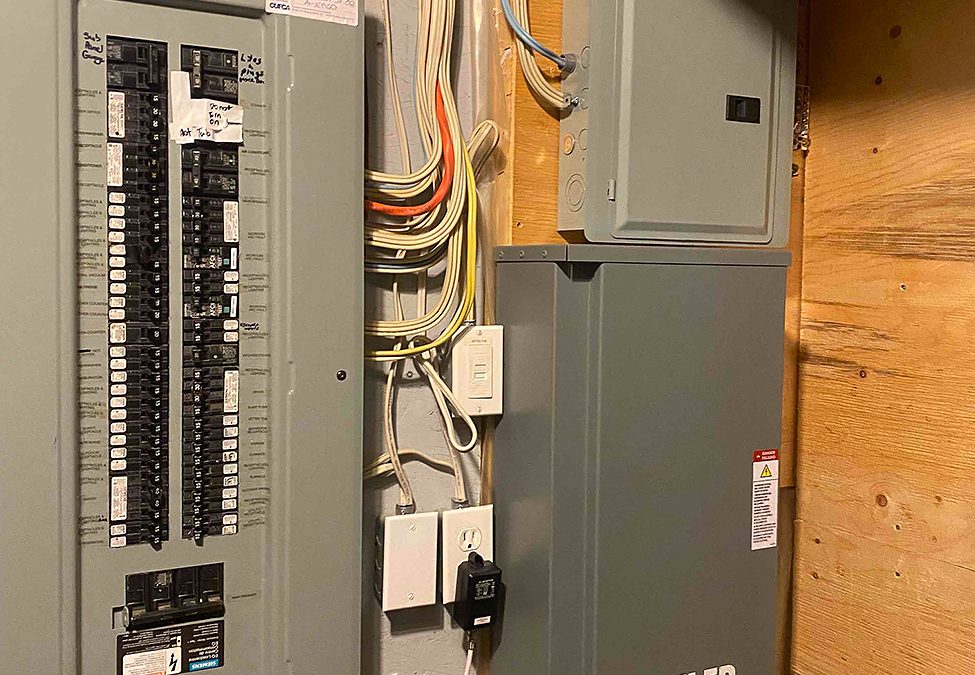
The electrical panel tells much of the story of a home. It is the first place a knowledgeable inspector looks. An electrician checks the panel’s age, capacity, and condition, and whether it has enough room for the way you plan to live. They look for signs of overheating, corrosion, or amateur work inside.
Certain panels are known troublemakers and can be flagged during the assessment. Understanding whether the panel needs updating, as we cover in our look at 100 amp versus 200 amp service, is central to knowing what you are taking on.
The Age of the Wiring Matters
The type and age of the wiring shapes everything about a home’s electrical safety. An inspection identifies what is running through the walls.
In older Calgary homes, that can mean knob and tube or aluminum branch wiring, both of which carry their own considerations. Spotting them early gives you room to plan or to renegotiate.
If aluminum wiring turns up, our guidance on who fixes aluminum wiring explains what the fix involves. Knowing this before you buy is far better than discovering it after.
Safety Devices and Grounding
An inspection also confirms whether the home has the protection modern living requires. This is often where older homes fall short. The electrician checks for proper grounding, which many older systems lack entirely. They confirm whether ground fault and arc fault protection are present where the code now asks for them.
Missing protection is not a dealbreaker, but it is a real cost to factor in. Better to know the number before you commit than to absorb a surprise afterward.
Hidden Hazards a Showing Hides
A house looks its best during a showing, which is precisely the problem. Cosmetic touches can sit right on top of serious electrical issues. Inspectors look for warning signs like scorched outlets, warm switch plates, and evidence of past overheating. They check for the telltale marks of unpermitted work done by previous owners.
Do it yourself electrical work is common and often unsafe. An inspection catches the kind of hidden hazard that a fresh coat of paint was never going to reveal.
How an Inspection Protects Your Negotiation
The findings do more than inform you, they give you leverage. A clear report is a powerful tool at the negotiating table. If the inspection uncovers real issues, you can ask the seller to address them or adjust the price to reflect the cost. Either way, you are no longer negotiating blind. This is often where the inspection pays for itself many times over. A single finding can save far more than the cost of the visit.
Planning for After You Move In
An inspection is also a roadmap for your first year in the home. It tells you what needs attention now and what can wait.
Maybe the panel is fine but the kitchen needs updated circuits for a renovation you are planning. Maybe the wiring is sound but the protection needs updating for safety.
Knowing this up front lets you budget and plan rather than react. It turns a stack of unknowns into a clear, ordered list you can work through with a professional inspection as the starting point.
Book a Pre-Purchase Inspection in Calgary
An electrical inspection is a small step that protects a very large investment. Before you buy, it is the clearest way to know what you are getting.
If you are considering a home and want to understand its electrical system first, reach out to Crew Technical Services to arrange an inspection. A short visit can save you from an expensive surprise down the road.