Who Fixes Aluminum Wiring in Calgary
You pull an outlet cover during a small update and the wire underneath looks silver instead of the copper you expected. That one detail can change how you think about your home. Aluminum wiring sits behind the walls of thousands of Calgary houses, and most owners never notice it until a renovation, a home inspection, or a sale brings it into the open.
Why Aluminum Wiring Ended Up In So Many Calgary Homes
Copper prices climbed sharply in the mid 1960s. Builders needed a cheaper conductor, and aluminum stepped in as the standard branch wiring for homes built between roughly 1965 and the late 1970s.
Calgary was growing fast through those same years. Whole neighbourhoods filled in during that window, and parts of Varsity and other established areas still carry aluminum branch wiring today.
If your home dates from that stretch, there is a real chance aluminum runs to at least some of your outlets and switches. Age alone is a fair reason to find out for certain rather than assume.
Not All Aluminum Wiring Is The Same
It helps to separate two different things. Large aluminum conductors often feed the main panel, the electric range, or the dryer, and that heavier gauge aluminum is common and generally accepted.
The concern sits with the thinner aluminum used for regular branch circuits. Those are the runs feeding your everyday outlets, lights, and switches.
So finding aluminum at the meter or a large appliance is not a reason to worry on its own. The real question is whether the small circuits around the house are aluminum too.
Aluminum Is Not The Problem, The Connections Are
Aluminum wire carries electricity without trouble. The concern is what happens where it meets outlets, switches, and the panel.
Metal expands as it warms and shrinks as it cools. Aluminum moves more than copper with each cycle, and over many years that motion can slowly work a connection loose.
Aluminum also forms a thin oxide layer on its surface. That layer resists current, which makes the connection run hotter than it should. A connection that is both loose and hot is where the risk lives, not in the wire inside the wall.
How To Tell Copper From Aluminum Without Guessing
You can sometimes spot the difference at a glance. Copper carries that familiar reddish tone, while aluminum looks a dull silver.
The cable jacket often tells the story too. Branch wiring cables are usually stamped along their length, and aluminum runs are marked with AL or the full word aluminum.
Please do not pull outlets apart on live circuits to check. A quick look inside the panel by an electrician, with the right safety steps, answers the question without any risk to you.
Warning Signs Worth Taking Seriously
Plenty of homes with aluminum wiring go years without a single symptom. Others send quiet signals that are easy to brush off.
Feel your outlet and switch plates now and then. Any that sit warm without an obvious reason deserve a closer look.
Watch for lights that flicker when they should not, especially when the flicker is not tied to one failing bulb. Notice breakers that trip with no clear load behind them.
The signal that should never wait is a faint burning plastic smell near an outlet or switch. Stop using that point and get it checked. Early electrical troubleshooting beats an emergency every time.
What Aluminum Wiring Means For Insurance And Selling
This part catches many owners off guard. A number of insurers ask whether a home has aluminum branch wiring, and some want proof it has been inspected or remediated before they write a policy.
Buyers run into it as well. A home inspector will usually flag aluminum wiring in the report, and that note can slow a sale or bring a request for repairs.
Having the wiring assessed, and remediated where needed, turns an open question into a documented answer. That record is worth keeping on file whether you plan to sell soon or stay for decades.
How Aluminum Wiring Gets Fixed In Calgary
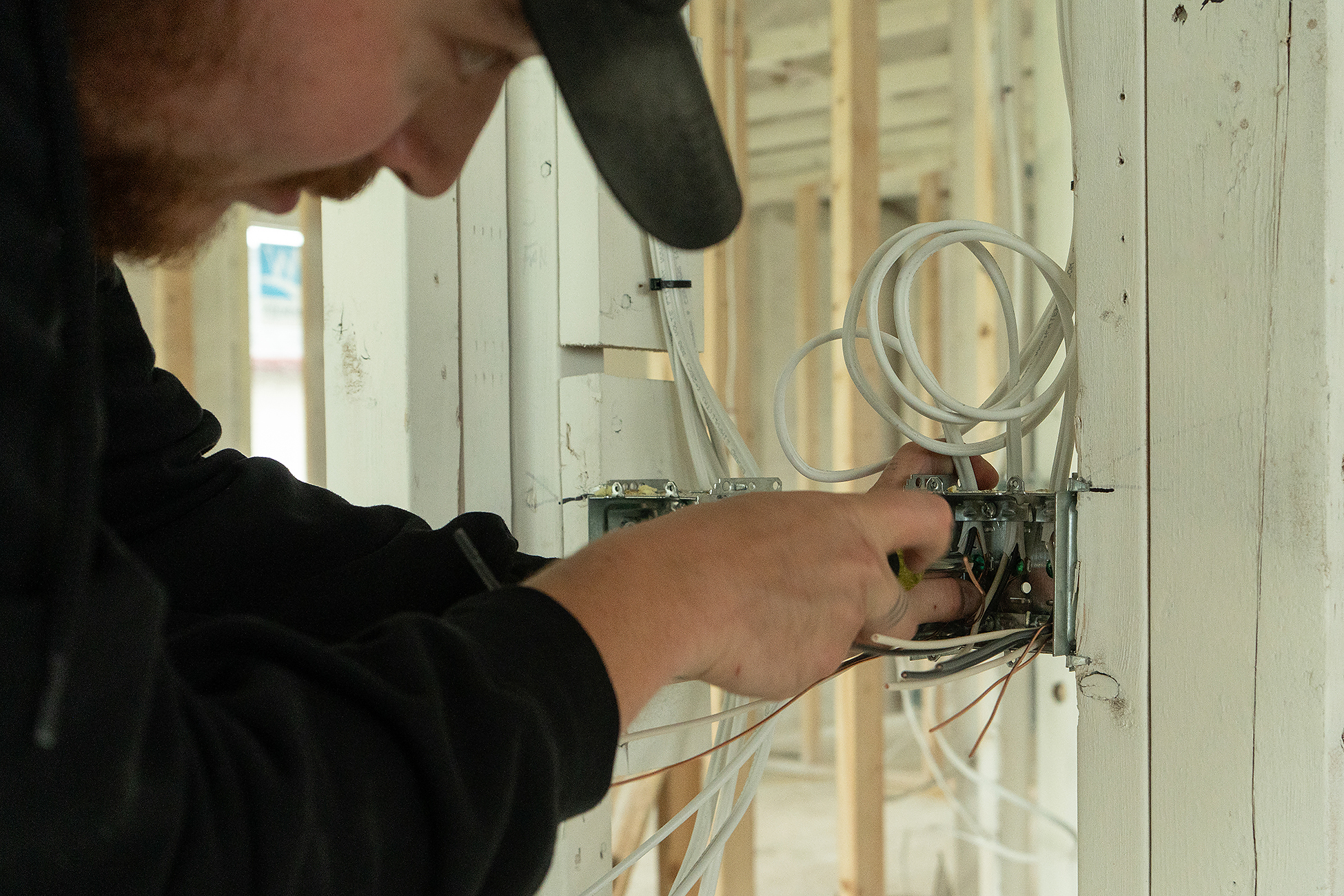
There is no single answer that suits every house. A licensed electrician starts with a close look at the connections and the panel to judge the real condition of the system.
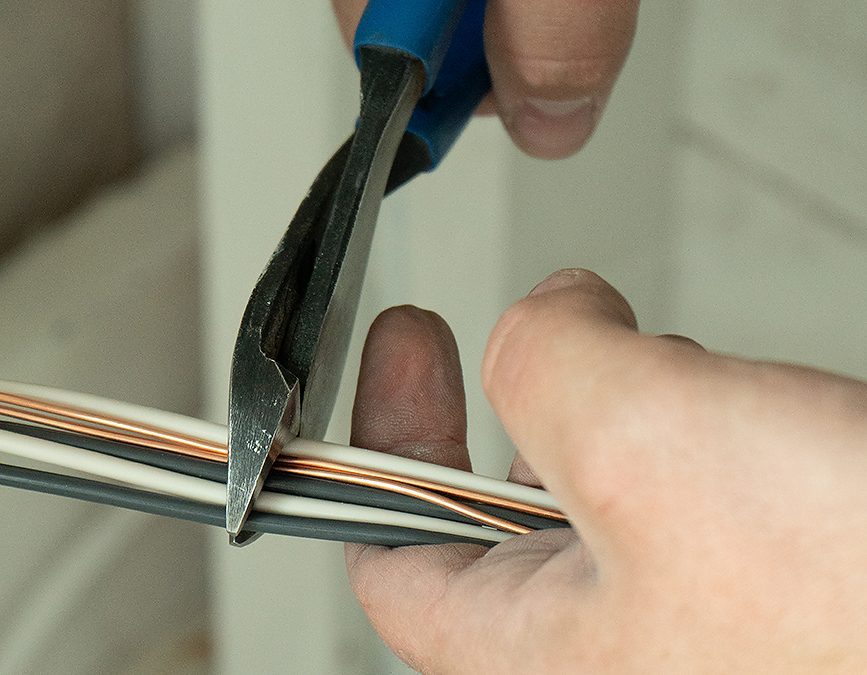
The most common repair adds a short length of copper to each aluminum wire using a connector approved for the job. The copper end then attaches to the device, which shifts the working connection onto copper. Many people call this pigtailing.
The other route is a full rewire that swaps the aluminum branch circuits for copper. It asks for more time and more money, and it clears the concern for good. Which path makes sense comes down to the home, the budget, and what a proper inspection turns up.
Why This Is Not A Weekend Project
Aluminum connections need the correct connectors, the right torque on every terminal, and an anti oxidant compound where it belongs. A connector meant for copper alone can create the very hot spot you set out to remove.
This work also calls for a permit and an inspection so the repair meets code. A licensed team carries the paperwork and confirms the fix passes.
There is a practical bonus to booking a pro. If your panel is older or already crowded, the same visit is a natural moment to weigh a panel upgrade instead of paying for two separate trips.
What To Do If You Think Your Home Has It
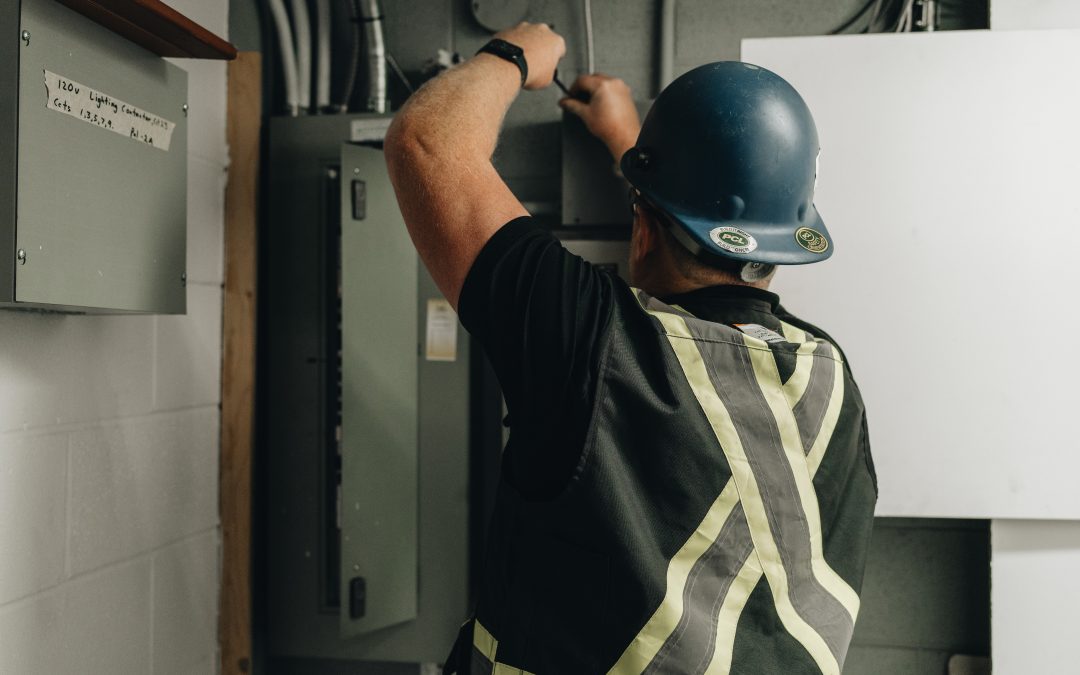
You do not need to open every wall to get answers. An electrician can check the panel, pull a few devices, and tell you fairly quickly whether aluminum is present and how the connections look.
From there you get a clear picture. Some homes need nothing more than monitoring, some benefit from pigtailing at the trouble points, and a smaller number are better served by a rewire.
Knowing which group your home falls into is the whole point. Guesswork is the one approach that never helps when electrical safety is on the line.
Book A Check With A Calgary Team You Can Trust
Aluminum wiring does not automatically mean danger, and it rarely calls for panic. It means the system deserves a trained set of eyes and an honest assessment.
If you own an older home and want to know exactly where you stand, reach out to Crew Technical Services and book an inspection. A short visit can turn a nagging question into a plan you feel good about.