Aluminum Wiring Remediation in Calgary: Safe, Code-Compliant, Insurer-Friendly
Calgary Electrician
Aluminum Wiring Remediation in Calgary: Safe, Code-Compliant, Insurer-Friendly
Get Started
Ready to make your aluminum wiring safe and insurable?
If you catch a burning smell at a receptacle, switch, or faceplate, treat it like a real hazard. Heat, arcing, or a failing device can escalate fast behind finished walls. This guide gives you clear, safe steps to take right now, what usually causes the problem, and how Crew Technical Services resolves it so it doesn’t come back.
If you see smoke, active flames, or the smell intensifies quickly, call emergency services first. After the area is safe, contact Crew Technical Services.
Follow these steps in order. If any step seems unsafe to you, stop and call a professional.
Unplug what’s connected. Remove plugs from the suspect outlet and nearby outlets on the same wall.
Turn off the device switch. If the smell is at a switch, turn the switch off.
Cool the circuit. Give it a minute. If the faceplate is hot or discoloured, do not continue using the circuit.
Shut the breaker if needed. If the smell persists, go to your panel and switch the suspect breaker fully to OFF. If you are unsure which breaker it is, power down the most likely room circuit or call for help instead of guessing.
Do not remove the device from the box. Pulling outlets or switches live can be dangerous and can worsen damage.
When the circuit is safe, document what happened: time of day, which devices were on, any recent work (new appliance, renovation, heater in use). That helps us find the root cause faster.
Loose or overheated terminations
Wires that are back-stabbed or screws that have loosened over time create high resistance and heat. You may see browning on the receptacle, brittle insulation, or deformed plastic.
Worn or poor-quality devices
Budget outlets and switches can overheat under normal loads, especially with space heaters, vacuums, treadmills, or hair tools. Signs include intermittent power and warm plates.
Daisy-chained high loads
Multiple heavy draws on a single run (heater + vacuum + dehumidifier) stress 15-amp circuits and can overheat a weak termination even without tripping the breaker.
Aluminum branch wiring or mixed metals
Some Calgary homes have aluminum branch circuits. Without the right connectors and terminations, heat and oxidation can appear at devices.
Damaged cords or plugs
A scorched plug face, loose blades, or a frayed cord can cause local overheating at an otherwise healthy outlet.
Incorrect box fill or enclosure issues
Too many conductors or devices crammed into a shallow box trap heat. So does a device not rated for the load it’s carrying.
Look for visible damage. Discolouration, melted plastic, or soot are red flags. Keep the breaker off.
Smell test nearby devices. Sometimes the odor migrates; the problem device may be the one “before” or “after” the outlet you’re sniffing.
Check what was running. Space heater, portable AC, microwave, hair dryer, or power tools are common triggers.
Note nuisance trips. If that circuit has tripped lately, mention it. It helps point to overloads or arcing.
Avoid disassembling outlets, switches, or the panel. That’s our job.
We focus on root cause and a clean, serviceable finish:
Map the circuit. Identify what’s on the run and where heat likely started.
Inspect and test. Pull the suspect device (with power off), check terminations, back-stabs, box fill, and conductor condition.
Replace and re-terminate. Install a properly rated device, move to screw terminals, and correct wire lengths.
Separate loads if needed. Heavy-use areas often need a dedicated circuit or load rebalancing.
Upgrade protection where required. Apply GFCI/AFCI protection in the correct locations, then verify operation.
Label and document. We leave a clear panel legend and note what changed for future service.
Need help today? Book Troubleshooting & Repairs or start a photo-based Online Estimate for a quick range and next steps.
Heaters and holiday loads. Portable heaters, extra lighting, and kitchen gear push older circuits harder.
Dust and wear. Devices that cycle heat for years collect dust and loosen screws.
Recent upgrades. New lighting, a basement development, or an EV charger can shift load patterns and expose weak points on older runs.
If you’ve added big draws or notice frequent trips, review Electrical Panel Upgrades and EV Charger Installation to plan for the way you actually use the home.
The outlet face is hot, discoloured, or deformed
You smell active burning with the breaker off
The breaker trips instantly when reset
Lights dim, buzz, or flicker when other devices start
You hear crackling at a device or the panel
Turn the breaker off for that circuit and contact Crew Technical Services.
Use properly rated devices. Tamper-resistant, spec-grade outlets and switches hold better under everyday load.
Avoid heavy daisy-chaining. Heaters and tools deserve their own dedicated circuit.
Schedule a torque-and-inspect. Periodic tightening and testing catches loose terminations early.
Label everything. A clear legend saves time in an emergency.
We work across Calgary, including Altadore, Lake Bonavista, Springbank Hill, and Coventry Hills, and nearby Airdrie and Cochrane.
Is a burning smell from an outlet dangerous?
Yes. Shut off the circuit and stop using it until it’s inspected.
Why didn’t the breaker trip?
Heat can develop at a weak termination below the breaker’s trip threshold. That’s why inspection matters even without a trip.
Can I use the other outlet in the same receptacle?
No. If one side overheated, the entire device should be inspected and likely replaced.
Do space heaters cause this?
Frequently. Heaters near a 15-amp limit expose weak terminations and low-quality outlets.
Do I need to replace all outlets on the circuit?
Not always. We repair the failed point, check the rest of the run, and recommend replacements where we see similar risk.
What if I have aluminum wiring?
We use listed connectors and methods compatible with aluminum and advise on remediation or targeted rewiring if needed.
If you want a fast, clear plan, start with Troubleshooting & Repairs or reach out on Contact.
Searching “best electricians near me in Calgary” usually means you want two things: safe work and a clear plan. Crew Technical Services focuses on tidy installs, plain-English scopes, and code compliance that passes inspection the first time. This guide shows how to vet an electrician, what affects timelines, and what a finished job should look like in a Calgary home.
A good electrician makes the process predictable. You’ll see a written scope, notes about permits when they apply, and a plan that fits how you use the space. The result should be clean routing, level devices, sealed penetrations, and a panel legend you can actually read. If you want the big picture, start with Why Crew and our Residential services.
Confirm Alberta licensing and active liability insurance.
Ask whether your project needs a permit and who meets the inspector.
Share photos of your panel (front and legend) and the work area.
Request a scope in plain English: what changes, where, and why.
Clarify labeling standards and cleanup before the day of work.
If you’re ready to move, the fastest start is the Online Estimate.
Tripping breakers, flicker, warm devices, or mystery outages need testing, not guesses. We diagnose the root cause, correct it, and update your labeling so future service is simple. Learn more: Troubleshooting & Repairs.
If the panel is crowded or you’re adding bigger loads, we calculate demand and install a clean, labeled solution that passes inspection. Details: Panel Upgrades.
Dedicated circuits sized correctly, with placement that makes daily charging straightforward. Overview: EV Charger Installation.
Layered light plans and quiet, balanced fans with tidy control placement. See: Lighting & Ceiling Fans.
Scenes and schedules that simplify life without turning your phone into a breaker panel. Start here: Home Automation & Controls.
Access and finish level. Open framing is quick; finished ceilings and tile need surgical routing and protection.
Protection and devices. GFCI/AFCI in the right places, plus surge protection when it matters.
Panel capacity. A clean re-org or a true upgrade may be the smartest move if space is tight.
Permits and inspections. Calgary inspections are real. Book pros who meet the inspector and document changes.
Want a realistic range without a long back-and-forth? Use the Online Estimate and we’ll outline next steps.
Photo intake. You send panel and room photos with a short note on goals or symptoms.
Scope and range. We reply with a realistic range and permit notes if they apply.
On-site review. We confirm access, protection, and routing; you receive a fixed proposal.
Clean install. Devices set level, conductors torqued to spec, penetrations sealed, circuits labeled.
Walkthrough and handoff. Protection tested, changes explained, and a clear legend left for future service.
We cover the city and nearby communities. Start at our Calgary service area page. We’re regularly in Altadore, Lake Bonavista, Springbank Hill, and Coventry Hills, and we also serve Airdrie and Cochrane.
How do I pick the best electrician near me in Calgary?
Verify licensing and insurance, ask who pulls permits and meets the inspector, and request a plain-English scope with labeling standards.
Do small electrical jobs need a permit in Calgary?
Some device-only swaps don’t, but many alterations do. A licensed electrician should confirm permit needs before work starts and document the result.
Can you install an EV charger if my panel is full?
Often yes, with load management or a clean panel re-org. If capacity is truly limited, we’ll propose a panel upgrade and explain why.
What should a finished job look like?
Straight routing, square devices, sealed penetrations, protection where required (GFCI/AFCI), and a panel legend you can read later.
How fast can work start?
Timelines depend on permits and access. Use our Online Estimate shorten scheduling and ensures we bring the right parts.
Do you work outside Calgary proper?
Yes. We regularly service Airdrie and Cochrane, along with neighbourhoods across Calgary.
Who meets the inspector?
The same team that did the work. We handle inspection notes and document what changed for your records.
What photos help you estimate quickly?
Panel front and legend, panel interior if safe, and wide/close shots of the work area.
If you searched “cost to rewire a house in Calgary,” you’ve seen square-foot charts. They look simple and they’re wrong. Rewiring is priced by scope, access, protection, panel capacity, and inspection requirements, not the number on your real estate listing.
This guide explains what truly moves the total in Calgary, how permits work, what to do with aluminum wiring, and the timeline to expect. When you’re ready for a realistic range, send photos through the Online Estimate and Crew Technical Services will map next steps.
Scope and goals. Are we replacing a few brittle circuits or performing a full home rewire with new devices and labeling? Adding circuits for induction, heat pump, or a future EV charger changes the plan.
Access and finish level. Open framing and utility chases are fast. Finished ceilings, plaster, tile, masonry, and tight joist bays require surgical routing and protection of finishes.
Protection and devices. Calgary jobs must meet current GFCI/AFCI requirements. That affects device choice and breaker count. We often pair a rewire with whole-home surge protection to guard electronics during utility events.
Panel capacity. A crowded or outdated panel can mean a tidy re-org or a true panel upgrade. Clean labeling and serviceability matter for inspections and future work.
Permits and inspections. Rewiring is permitted work under the City of Calgary. Crew Technical Services applies for permits, books and meets inspections, and documents what changed. That paperwork protects you with insurers and at resale.
Two 1,500-sq-ft homes can differ by thousands because one has open access and modern panels, and the other has finished ceilings, plaster walls, and undersized service. Square-foot math can’t see access, protection, routing, or inspection sequencing. A scope-first estimate can.
Older Calgary homes with aluminum branch wiring aren’t automatic tear-outs. Aluminum can be safe when terminated with listed methods and compatible devices. Options:
Remediation at terminations using approved connectors and devices while we verify bonding, box fill, and torque
Targeted rewiring of circuits showing heat damage or DIY alterations
Full rewire when the system is inconsistent or required by your insurer
We open representative boxes, test, and show photos so you can decide with facts.
Timelines depend on access and inspection windows, but here’s a believable cadence:
Photo triage via Online Estimate: 1–2 business days
On-site review and fixed proposal: 60–90 minutes
Rough-in: one day for partial work to several days for full homes
Rough inspection: booked and met by our team
Patch/finish coordination: if openings were needed
Final wiring and device setting: clean devices, level plates, straight routing
Final inspection and walkthrough: labeled panel, protection tested, documentation delivered
Panel photo and legend (plus interior if safe)
Wide and close-ups of each work area
Known symptoms (trips, flicker, warm devices)
Upcoming upgrades (EV charger, hot tub, AC) so we can reserve space now
Access details: pets, parking, quiet hours
Good photos beat long emails and get you a tighter estimate.
If you’re stacking bigger loads and space is tight, we’ll show two paths:
Managed loads using listed load-shedding modules to stage or pause one big appliance temporarily
Clean upgrade to a modern, labeled panel and service sized for your next decade
You’ll see pros and cons for both before choosing.
Legacy homes hide surprises: bootleg neutrals, mixed device types, overheated terminations. We correct hazards as we find them, photograph before/after, and note changes in your closeout summary. If a separate repair makes more sense, our Troubleshooting & Repairs team handles it quickly.
Do I need a permit to rewire my house in Calgary
Yes. Crew Technical Services handles permits and inspections so the work is documented and compliant.
Can you rewire without opening drywall
Sometimes. We fish where possible and keep openings small. Finished ceilings or stone features add time; we flag that early.
Is aluminum wiring banned in Alberta
No. It can be safe with listed terminations. We’ll show you remediation options and when full replacement is smarter.
Will a rewire stop my breaker from tripping
If the trip is caused by overloaded or damaged circuits, yes. We test, separate loads if needed, and size the circuit correctly.
Scope first: what changes, where, and why
Photo triage: start with the Online Estimate so the first visit is efficient
Fixed proposal: after confirming site conditions and access
No surprises: if conditions differ, we explain and agree on the plan before proceeding
We work citywide and nearby communities. See our Calgary service area page. Common neighborhoods include Altadore, Lake Bonavista, Springbank Hill, and Coventry Hills, plus nearby Airdrie and Cochrane.
Safety and code first. Straight routing, square devices, and a labeled panel you can actually read. Permits and inspections handled. Clear communication even when walls are open. A Calgary team that stands behind the work.
If you typed “electrician Calgary Alberta,” you probably want two things: a price you can understand and work you never have to think about again. Crew Technical Services focuses on clean installs, clear scopes, and code compliance that passes inspection the first time. This page explains how to get a fast ballpark, what affects the total, when permits apply in Calgary, and the most common projects we handle for homes across the city.
Start with photos and get a realistic range: Online Estimate. Prefer a conversation first? Use Contact.
Online estimating works for a lot of residential jobs. Upload a photo of your panel (plus the legend) and two photos of the work area. Tell us the symptom or the goal. Crew Technical Services replies with a range, plain-language next steps, and whether a short site visit makes sense. That means less back-and-forth and a truck that shows up prepared.
Start here: Online Estimate
Browse services: Residential
Hourly rates don’t tell the whole story. Totals move up or down based on:
Scope. New wiring vs replacing a device.
Access. Finished ceilings, tile, and tight utility rooms take more care than open framing.
Protection. GFCI and AFCI where required, plus surge protection when it protects your electronics.
Panel capacity. Clean work still needs space and service capacity.
Permits and inspection. Calgary projects often require permits; passing first try saves everyone time.
Crew Technical Services folds those variables into your estimate so you know what we’re doing and why.
Many residential projects require permits under the City of Calgary. Crew Technical Services handles applications, schedules inspections, and meets the inspector. You get documented, code-compliant work that supports insurance claims and resale. When a permit isn’t required, we explain why and put that in writing.
Tripping breakers, flicker, warm devices, mystery outages. We test, correct root causes, and label changes so future service is easy. Learn more: Troubleshooting & Repairs.
Planning for an EV charger, hot tub, or AC
We calculate demand, map clean routes, and install a panel you can actually read. Details: Electrical Panel Upgrades.
We size a dedicated circuit, verify panel capacity, and place the charger where the cable naturally lands. Load management options are available if space is tight. Overview: EV Charger Installation.
Rooms work better with layered light and quiet, balanced fans. We set devices level, route neatly, and keep controls simple. See Lighting & Ceiling Fans.
Keep it simple: scenes, schedules, and remote checks that you will actually use. Start here: Home Automation & Controls.
From pad placement to transfer switch labeling, we design for Calgary winters and clean service later. Read: Generac Generator Installation.
Clear scope before price. We write down what will change, where, and why.
Tidy routing and labeling. Conduit straight, devices square, circuits labeled in plain English.
Code and safety first. Proper bonding, grounding, and protection. No shortcuts.
Respect for your schedule and your space. Windows, not maybes. Clean in, clean out.
If you want the longer version, this page covers it: Why Crew.
We work citywide and nearby communities. If you’re in Calgary, we’re regularly in neighborhoods like Altadore and Lake Bonavista, plus Springbank Hill and Coventry Hills. We also support Airdrie and Cochrane.
Do I need a permit for my project
Often, yes. Crew Technical Services handles permits and inspections when required so the work is documented and compliant.
My breaker keeps tripping. Is that normal
No. It’s telling you something. We test, separate loads if needed, and size the circuit correctly.
Can you install an EV charger if my panel is full
Usually. We use load management when appropriate; if not, we plan a clean panel or service upgrade.
Do you work after hours for emergencies
If it’s unsafe, call. For larger events, start at Disaster Response and we will make the area safe and coordinate next steps.
Panel photo plus the legend
A wide and close-up of the work area
Make/model of any device you’re adding
Access details (pets, parking, quiet hours)
A preferred window for a quick call if we have questions
Good photos beat long emails. Your job moves faster and your estimate is tighter.
Outages happen here. A properly designed standby generator keeps heat, lights, Wi-Fi, medical devices, and sump pumps running without dragging cords through a doorway. This guide walks through sizing, fuel, placement, permits, commissioning, and why load management can beat a full service upgrade for many Calgary homes. Start with an Online Estimate so we can review photos and give you a realistic range.
A standby generator sits outside on a pad and connects through an automatic transfer switch. When utility power drops, it starts and moves selected circuits over in seconds. No refueling runs. No backfeeding risks. Portables are fine for a fridge and a couple lights, but they aren’t a whole-home solution and still need a proper interlock to be safe. If you want the permanent option, here’s our Generac generator installation overview.
We build around how you live, not just a nameplate. Heat, refrigeration, network, key lighting, pumps, and any device that protects the home get priority. Motors draw more at startup than they do running, so we plan for that surge and pick a generator that carries the house comfortably instead of “just big.”
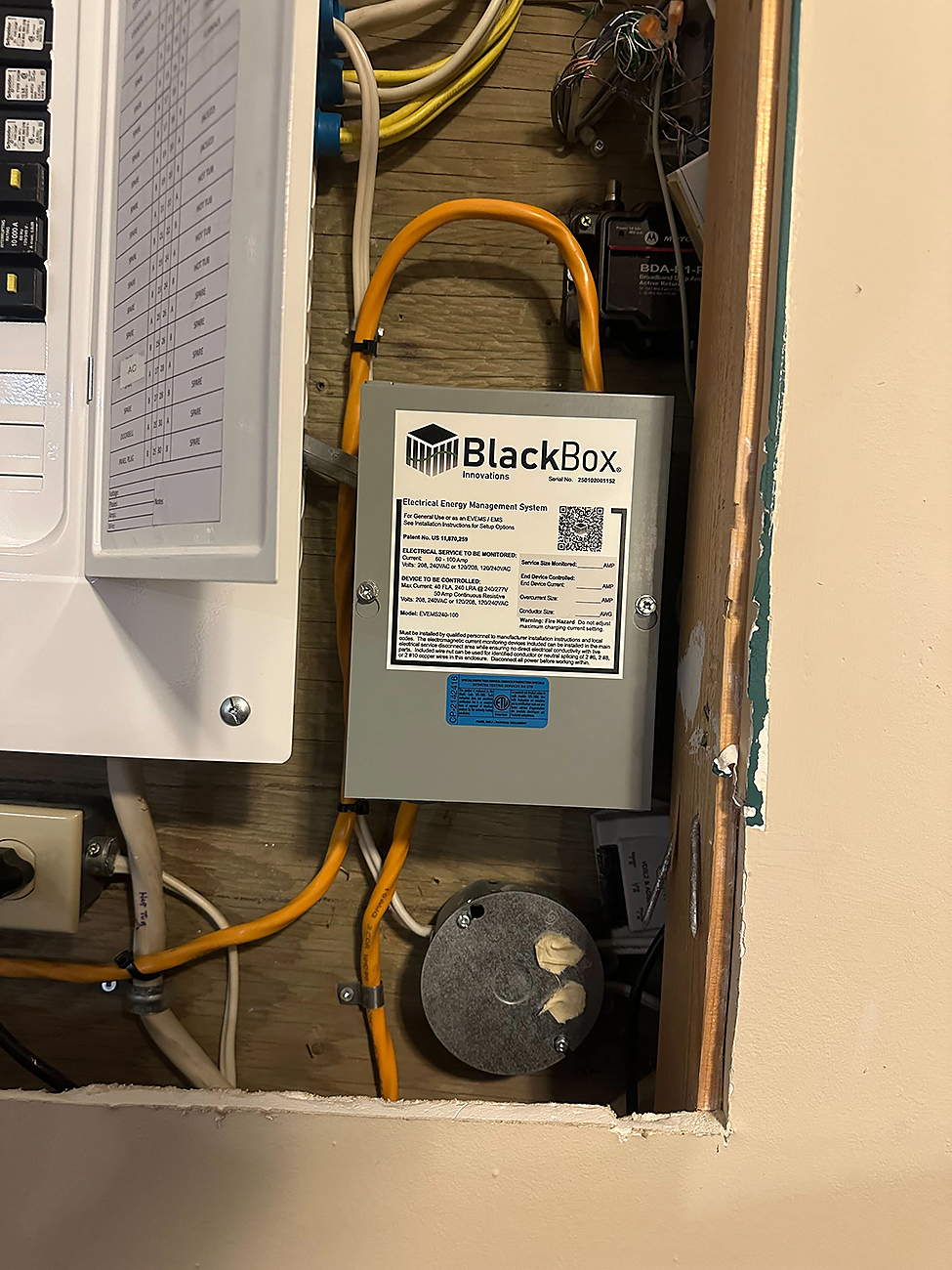
If panel space is tight, we often pair the transfer switch with a listed load-shedding device. It briefly pauses one big appliance during generator startup, then brings it back automatically. You keep comfort loads online and avoid jumping straight to a service upgrade. If you’re stacking future loads like an EV charger, hot tub, AC, or a suite, we’ll price both paths — managed loads versus a clean 200-amp upgrade — so you can choose with facts, not guesses. For permits and local rules, the City of Calgary has the basics; we handle the paperwork.
Natural gas is the default for most neighbourhoods. It supports automatic weekly exercise and eliminates refilling. Propane works where gas isn’t available; we size the tank for winter run time and coordinate placement. Cold weather matters here, so we spec battery warmers or cold-weather kits based on exposure, and we set the exercise time to a window that won’t annoy the household.
Location is about safety, noise, and serviceability. We maintain required clearances from doors, windows, and vents; use a level, frost-resistant pad; and route conduit short and protected to the transfer switch. Weekly exercise noise and future access guide orientation. The unit should look intentional and be easy to maintain ten years from now. See where we work on our Calgary service area page.
In Calgary, standby systems require electrical permits and, when applicable, gas permits. Crew Technical Services handles applications, books inspections, and meets the inspector. You get a simple closeout packet that shows what changed and how to operate the system safely. If you’d rather talk through the process, reach us on Contact.
We don’t disappear after the last screw. You’ll see a full failover and return-to-utility test, confirmation that priority circuits behave as intended, and the exercise time programmed to a quiet hour. We leave you with a plain-language guide for normal operation, what to listen for, and when to call.
Weekly self-test at a sensible time
Annual oil and filter, battery test, air filter, and enclosure/termination check
Quick post-outage look and listen for anything unusual
Crew Technical Services offers scheduled checkups so the system works when you need it, not just when the weather is nice. Browse the rest of our Residential services if you’re planning other upgrades alongside the generator.
Will it run the whole house
It can, but most families prioritize heat, refrigeration, network, key lights, and a few outlets. With load management, a right-sized unit covers essentials comfortably.
Is it loud
Modern enclosures are quiet in exercise mode. Placement and timing matter more than raw decibel numbers, and we plan for both.
Do I still need surge protection
Yes. A transfer switch doesn’t replace whole-home surge protection at the panel.
Do cold-weather kits matter in Calgary
Often, yes. We add them when placement and exposure call for it so winter starts are reliable.
Safety and code come first: permits, inspections, proper bonding and grounding, and terminations torqued to spec. Routing is straight, devices sit square and level, circuits are labeled clearly, and the pad placement is tidy. You get honest options — managed loads versus upgrade — and commissioning you can watch, with documentation you’ll keep.