by Talisee Carpenter | Oct 19, 2026 | Panel & Service Upgrades
Chestermere Lake was created as part of an irrigation system, and the summer cabins that grew up around it were built for a few warm months, not a full year. When a lake property becomes a full time home, the electrical system is usually the part that was never designed for the change. A Chestermere cottage electrical upgrade is mostly about matching the service, the wiring, and the winter loads to the way the house is lived in now.
From Summer Cabin To Year Round Home
Leaseholders around the lake built cabins and spent the summer months there, and the cabin owners association, formed in 1959, arranged electricity and natural gas for them. Residents later pushed for long term leases and permanent homes, and by 1977 the lake had about 120 permanent homes, according to the City of Chestermere’s own history. Services installed for summer use were sized for summer loads. A property that has been renovated and expanded can look entirely modern from the outside while still running on a service that was never revisited.
What Full Time Living Adds To The Electrical Load
Year round occupancy adds winter heating, hot water demand every day, cooking and laundry, and often air conditioning or a heat pump. A finished basement, a heated garage, a hot tub, or an EV charger adds more. Each is manageable alone, but together they decide whether a 60 or 100 amp service is still enough. A load calculation completed by a qualified electrician answers that for the specific house, and our 100 amp versus 200 amp comparison helps frame what size service the finished home needs.
Wiring That Predates The Renovation
Older cabins can contain wiring that is older than the panel feeding it, along with circuits added by earlier owners over the years. Homes built from the mid 1960s into the 1970s may have aluminum branch wiring, and wiring from before about 1950 may still include knob and tube, so an inspection identifies which applies. When walls are open for insulation, a new bathroom, or a basement, the oldest circuits can be replaced during the same project as the panel work, which is more efficient than treating them as separate jobs months apart. Our electrical inspections service covers that review, and panel upgrades for basement development covers the capacity side of finishing a lower level.
Winter, Water, And Exterior Circuits
A cabin built for summer rarely has the circuits that winter demands. Heat trace cable on water lines needs its own protected circuit, heating equipment needs reliable supply, and exterior outlets, lighting, and any shoreline or outbuilding circuits need weatherproof installation with GFCI protection. These loads are seasonal, so an assessment done in summer can miss them, and they belong in the load calculation alongside the indoor equipment.
Assessing The Panel And Planning The Upgrade
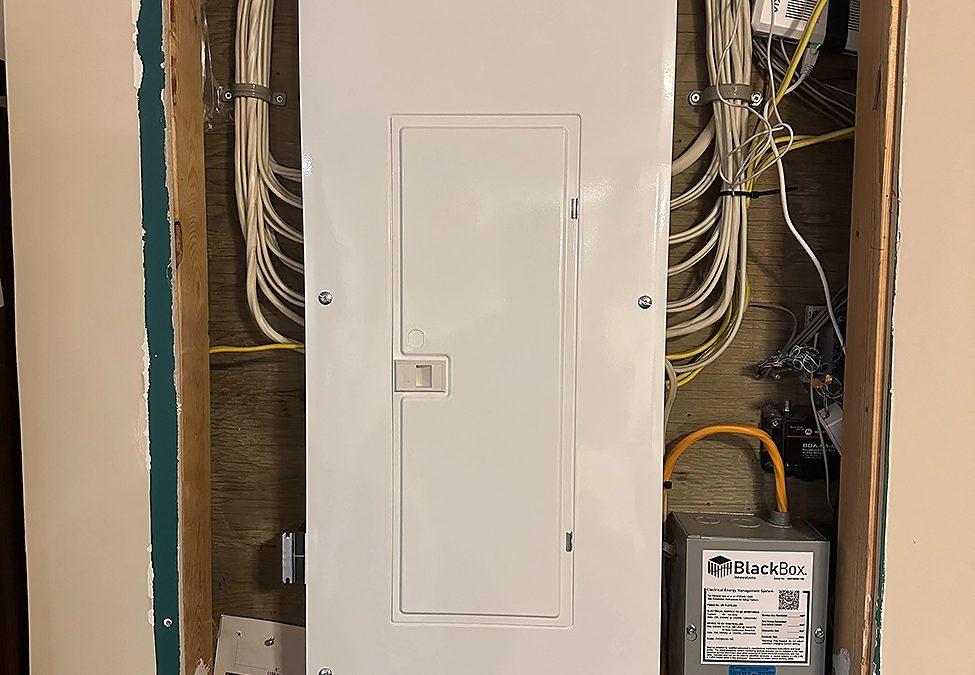
A panel assessment checks the main breaker size, the condition of the breakers and the enclosure, signs of heat or corrosion, and how many spaces remain for new circuits. It belongs ahead of the renovation design, because capacity that turns out to be short midway through a project is far more disruptive to fix. Breakers that trip when a few appliances run together, a warm panel cover, or a service still marked 60 or 100 amps on a house that has been added onto are the usual signs, and our breaker capacity post explains them.
When an upgrade is the answer, our panel upgrade service brings better circuit organization, current breaker protection, and a labelled directory that makes later work easier. Owners adding smart controls to the same service can read our post on home automation in Chestermere.
Book your panel assessment and we will confirm whether the service matches how the house is used. We serve Chestermere and the wider areas we serve, and you can reach the team here.
by Talisee Carpenter | Oct 14, 2026 | Panel & Service Upgrades
A load calculation is the first step in most electrical projects that add equipment, and homeowners often hear the term for the first time partway through a quote. It adds up what a house can demand and compares that total with what the service can supply, so the result decides whether a new hot tub, EV charger, or generator fits on the existing panel. The City of Calgary’s homeowner permit rules say that load calculations must be completed by a qualified electrician, and for rowhouse projects that add a Level 2 EV charger, heat pump, air conditioner, hot tub, or battery storage it asks for a professional electrician or engineer to complete one. That is why this step appears early in a project.
What A Load Calculation Measures
The Canadian Electrical Code sets out the method. For a house it starts with a basic load tied to the home’s living area, then adds the demand of space heating and cooling, the range, the water heater, and large loads such as an EV charger or a hot tub. The total is compared with the rating of the service, commonly 60, 100, or 200 amps, and the difference is the headroom left for the next addition. Floor area is one input, but the equipment in the house matters just as much, which is why two homes of the same size can produce different results.
How The Numbers Get Counted
Not every load is counted the same way. Electric space heating has its own demand factors under Section 62 of the code, and where heating and air conditioning will not run together, only the larger of the two is added. EV charging equipment and hot tubs are counted at their full rating, while other loads, such as the range, receive demand factors because everything in a house does not run at its maximum at the same moment. Getting those factors right separates an accurate result from one that either oversells the panel or recommends more capacity than the house needs, which is why a guess from a photo of the panel label is not a substitute.
What A Panel Rating Does And Does Not Tell You
A panel marked 100 or 200 amps shows the maximum its main breaker allows, not the room left once existing circuits and equipment are counted. Two homes with the same panel can have very different headroom depending on the furnace, range, dryer, water heater, and any additions made over the years. Older panels often show less room than expected for the same reason, since a garage heater here and a charger there were added without anyone recalculating the total. Our breaker capacity post covers the signs that a panel is already running near its limit.
What The Result Means For Your Project
If the calculation shows room, the new circuit goes in as planned. If it comes back tight, there are usually two paths: upgrade the service, or add a load management device that reduces power to lower priority loads when the house nears its limit. Our permit and inspection guide outlines both options for a service that is maxed out, our load management service page and load shedding devices post compare them in more detail, and load management in Coventry Hills looks at the same question for homes in that neighbourhood.
The calculation comes before the quote because it sets the scope. Installing equipment on a guess can mean breakers that trip regularly, a panel found to be undersized after the new circuit is in, a second visit, and rework on the circuit just completed. An accurate number up front also shows how much headroom remains for the next addition.
Where A Generator Fits
A generator is sized with the same method applied to a different question: which circuits must keep running during an outage. The answer decides whether a unit covers the furnace, sump pump, and refrigeration or the whole house, and it prevents buying a unit that is too small for the circuits that matter or larger than the house needs. Our standby generator installation page covers how this feeds into sizing.
Book your load calculation before adding a hot tub, a generator, or any equipment that draws significant current, and you will know what your panel can carry before you commit. We serve homes across Calgary, and you can reach us here.
by Talisee Carpenter | Sep 28, 2026 | Panel & Service Upgrades
You have the drawings, the contractor, and the timeline, and then somebody asks whether the panel can handle it. A panel upgrade for a basement development in Calgary is one of those questions best answered before the framing goes up rather than after, since the wrong answer can stall a project or force a rebuild later. Whether you actually need one depends on your current panel and what the finished space is going to run.
Why Basements Add More Load Than People Think
A finished basement is not just extra square footage, it is extra electrical demand, often more than owners realize. A basement development typically adds new lighting circuits, outlets, and often a bathroom, a wet bar, a laundry rework, or a home theatre setup, and any of those alone would be manageable. Stacked together, especially in an older home like those in Elbow Park with a panel that was sized decades ago, they can push a system past where it should be running.
What to Check Before You Break Ground
The first question is simply how much room your panel has right now, both in physical breaker slots and in total capacity. A panel that is already full has nowhere to add the new basement circuits, and a service that is close to its limit cannot safely take on much more load. An honest look at both before construction starts saves the frustration of finding out mid-project that the plan will not fit the equipment.
When an Upgrade Makes Sense
Not every basement development needs a panel upgrade, but some genuinely do, and knowing which category you fall into is the whole point of the check. A modern panel with room to spare is often fine, while an older or crowded panel usually is not, and the deciding factor is what the finished basement is asking of it. Our overview of basement electrical work walks through how that decision gets made.
Or Whether Load Management Solves It
Before jumping to a full upgrade, it is worth asking whether smarter coordination could open enough room within your existing service. Modern load management can spread out big loads so they take turns rather than all drawing at once, which sometimes creates the headroom a basement development needs without touching the incoming service. It is not always the right answer, but it is often worth considering before committing to a bigger project.
Doing the Upgrade at the Right Moment
If an upgrade is genuinely needed, timing matters, and doing it at the start of the basement development is far cleaner than trying to add it later. The panel is out in the open, the walls are not yet closed up, and the electrician can plan the new basement circuits into the upgraded panel from day one. That sequencing is what turns a two-project headache into a single coordinated job.
Get an Answer Before You Start
Knowing whether your panel needs an upgrade should be a first-week question in any basement development, not a last-week surprise. If you are planning a basement build in Calgary and want a straight answer about your service, reach out to Crew Technical Services to book a panel assessment, and we can tell you exactly what your project needs.
by Talisee Carpenter | Sep 23, 2026 | Panel & Service Upgrades
Every Calgary driver knows the ritual of the cord hanging out of the grille and the hunt for somewhere to plug in on a bitter morning. A properly installed block heater plug in Calgary makes that routine simple and safe, giving you a reliable outdoor outlet built to handle winter rather than a shared cord run out a window. It sounds like a small job, and it is, but doing it right matters more than people expect once you factor in cold, moisture, and safety.
Why Calgary Homes Need One
Calgary winters are hard on vehicles, and a block heater keeps an engine warm enough to start easily and run cleaner on the coldest days. To use one, you need a dependable outdoor outlet within reach of where you park, whether that is a driveway, a carport, or the side of the garage. A dedicated plug beats stringing an extension cord out a door or window every night, which is both a hassle and a hazard.
More Than Just an Outdoor Outlet
Adding a block heater plug is not quite as simple as sticking any outlet on an exterior wall. The outlet has to be rated for outdoor use, sealed against snow and moisture, and wired on a circuit that can handle the load without borrowing capacity from something else. Done properly, it becomes a permanent, weatherproof fixture rather than a seasonal workaround, and it is the kind of outdoor work our team handles as part of outdoor power installation.
Why GFCI Protection Is a Must
An outdoor outlet lives in exactly the conditions that make ground fault protection essential, surrounded by snow, ice, and meltwater all winter long. Ground fault protection cuts power instantly if moisture causes a fault, which is what keeps a wet outdoor plug from becoming a shock hazard. This is not an optional upgrade but a code requirement for outdoor outlets, and our look at GFCI and AFCI protection explains why it matters so much.
Timers and Convenience Add-Ons
A block heater does not need to run all night to do its job, which is where a timer earns its place. Wiring the plug through a timer means the heater switches on a few hours before you leave rather than burning power from dusk to dawn, which trims the cost of using it through a long winter. It is a small addition at installation time that pays off every cold month.
Placing the Plug Where It Works
Location is worth a moment of thought before the outlet goes in, since the plug should sit within easy reach of where the vehicle actually parks. Mounting it at a sensible height, clear of where snow piles up, keeps it usable even in the depths of winter. Planning that placement is a quick conversation that makes the finished plug genuinely convenient rather than an awkward stretch every morning.
Get It Wired Before the Cold Hits
A block heater plug is one of the more practical winter upgrades a Calgary home can have, and it is far easier to install before the first deep freeze than during it. If you want a safe, weatherproof outdoor outlet for your vehicle in Evanston or anywhere in Calgary, reach out to Crew Technical Services to book an outdoor outlet installation and beat the cold.
by Talisee Carpenter | Sep 14, 2026 | Panel & Service Upgrades
You plug in the new EV charger, the dryer is already running, someone starts the oven, and the breaker trips. That scene plays out across Coventry Hills as families add more to homes that were wired for a lighter era, and load management is the fix that usually solves it. It lets a home take on serious new loads without overloading the panel or paying for a service upgrade it may not need.
Why Homes From This Era Hit Their Limit
A home built through the 1990s or 2000s was sized for the demand of its day, which did not include a car charging in the garage or a hot tub bubbling on the deck. As families add these loads one at a time, a panel that was comfortable for years slowly creeps toward its ceiling. The result is nuisance tripping, or a project that stalls because there is no room for one more big circuit, and Coventry Hills homes hit this point regularly simply because they are the right age and size to be adding exactly these things.
How Load Management Shares the Power
Rather than assuming every new load means a bigger panel, load management coordinates how power gets drawn so large loads take turns instead of all demanding full power at once. A common example is an EV charger that eases back while the dryer and oven run, then returns to full speed once they finish. That coordination lets a home add significant loads while staying within the capacity it already has, and our overview of load management in Calgary explains the mechanics in more detail.
Skipping the Full Service Upgrade
The real appeal is that this often lets you avoid a full service upgrade, which can be a significant cost and disruption. By making smarter use of the capacity already in the home, these systems can open room for new loads without touching the incoming service. It is not always the right answer, since some homes genuinely need more capacity, but it is frequently a sensible first option, and a knowledgeable electrician can tell you which applies to yours.
Shedding Load When It Peaks
Closely related is load shedding, which prioritizes power to the circuits that matter most during peak demand and automatically eases back on lower-priority ones when everything runs at once. This keeps the essentials steady and prevents the trips that come from asking too much of the panel at the same moment, and our look at load shedding devices covers how it protects a busy home.
Plan Before the Panel Trips
The best time to think about all this is before adding a major load rather than after the breaker starts tripping. Whether you are planning an EV charger, a hot tub, or a workshop, an assessment of your current service tells you exactly what the home can support, which avoids the frustration of a stalled project and the expense of reworking a setup that was never sized right. Many Coventry Hills families are adding several loads over time, and a coordinated plan keeps them from competing with each other.
Find Out What Your Service Can Take
Load management is one of the smartest ways to get more from the electrical system you already have. If you are planning to add a big load to your home in Coventry Hills, reach out to Crew Technical Services to book a load management assessment, and we can map out what your service can handle.
by Jelliah Velizario | Apr 30, 2026 | Panel & Service Upgrades
An electrical panel upgrade Strathmore homeowners rely on often becomes necessary when breakers start tripping after adding new appliances or equipment. At Crew Technical Services, we are licensed and insured, helping homeowners safely resolve overloaded systems and improve electrical capacity. These issues are common in growing homes across Strathmore, AB.
Why Breakers Keep Tripping and When You Need an Electrical Panel Upgrade Strathmore
When a breaker keeps tripping, it usually means your electrical system is overloaded or not designed for current demand. This is a clear sign an electrical panel upgrade Strathmore property owners should consider, especially after renovations or appliance additions. Ignoring it can lead to repeated outages and potential safety risks.
Older breaker panels were not built for today’s electrical loads like EV chargers, hot tubs, or high-efficiency HVAC systems. A breaker panel replacement Strathmore homeowners choose often resolves these recurring issues quickly and safely.
Process for Electrical Panel Upgrade Strathmore in Strathmore, AB
Step 1: Load Assessment and Inspection
We begin with a full load calculation to determine how much power your home actually needs. This helps identify whether your current panel can safely handle new demand.
Step 2: Service Upgrade Planning
If needed, we design a service upgrade Strathmore homeowners can rely on for long-term capacity. This includes panel sizing, breaker layout, and utility coordination.
Step 3: Installation and Testing
Once approved, we complete the breaker panel replacement Strathmore homes require and fully test the system for safety and performance.
Local Electrical Requirements and Permitting in Strathmore
Electrical upgrades in Strathmore must follow Alberta safety codes and permitting rules. Proper inspections ensure your system is compliant and safe for long-term use.
You can review provincial electrical safety guidelines through the Safety Codes Council for more details on compliance and inspection standards.
Cost Drivers for Electrical Panel Upgrades
Several factors affect the cost of an electrical panel upgrade Strathmore homeowners request. These include panel size, wiring condition, service amperage, and whether a full service upgrade is required.
Older homes may also require grounding improvements or meter upgrades. Accessibility and utility coordination can also influence overall project scope.
Pair with Related Electrical Services
Many homeowners combine upgrades with other essential electrical work for better efficiency. Learn more about our electrical panel upgrade services in Calgary for larger projects or similar homes.
We also offer full residential electrical services for renovations and upgrades. If you are planning a broader project, our service area coverage ensures support across Strathmore and surrounding regions.
For trusted workmanship, see why homeowners choose Crew Technical Services. When ready, you can request a quote here.
Safety, Licensing, and Cleanup
Every electrical panel upgrade Strathmore project we complete follows strict safety protocols and code compliance. Being licensed and insured means your home is protected throughout the entire process.
We also ensure clean work areas, proper labeling, and final system testing before completion. Safety is always prioritized from start to finish.
FAQ
What causes breakers to trip after adding new appliances in Strathmore homes?
This usually happens when the electrical panel is overloaded. New appliances increase demand beyond what the system was designed to handle.
Do I always need a full panel upgrade if my breaker keeps tripping?
Not always, but many homes in Strathmore benefit from an electrical panel upgrade when issues are frequent. A professional load calculation determines the right solution.
How long does a breaker panel replacement Strathmore project take?
Most standard upgrades can be completed within a day, depending on system complexity and utility coordination.
Is a service upgrade Strathmore homes need expensive?
Costs vary based on system size and required changes, but upgrades are a long-term investment in safety and reliability.
Can I keep using my old panel if only one breaker trips?
If it is an isolated issue, it may be repairable, but repeated tripping is often a sign of a larger capacity problem.
Conclusion
An electrical panel upgrade Strathmore homeowners invest in is often the most reliable way to stop breaker issues caused by new electrical loads. Upgrading ensures your system is safe, compliant, and ready for future demand.