
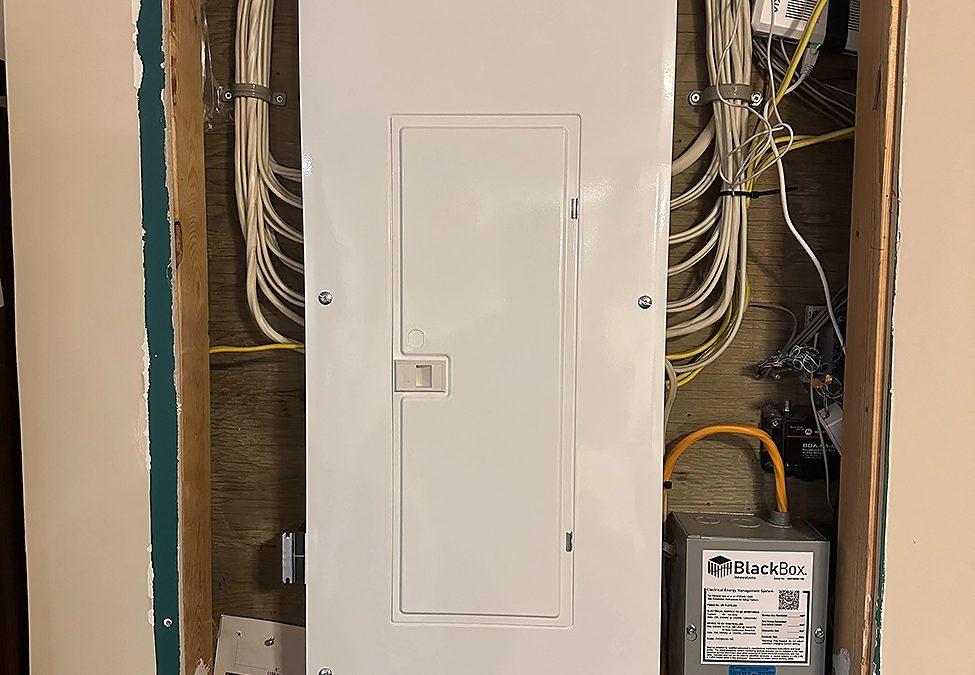
You plug in the new EV charger, the dryer is already running, someone starts the oven, and the breaker trips. That scene plays out across Coventry Hills as families add more to homes that were wired for a lighter era, and load management is the fix that usually solves it. It lets a home take on serious new loads without overloading the panel or paying for a service upgrade it may not need.
Why Homes From This Era Hit Their Limit
A home built through the 1990s or 2000s was sized for the demand of its day, which did not include a car charging in the garage or a hot tub bubbling on the deck. As families add these loads one at a time, a panel that was comfortable for years slowly creeps toward its ceiling. The result is nuisance tripping, or a project that stalls because there is no room for one more big circuit, and Coventry Hills homes hit this point regularly simply because they are the right age and size to be adding exactly these things.
How Load Management Shares the Power
Rather than assuming every new load means a bigger panel, load management coordinates how power gets drawn so large loads take turns instead of all demanding full power at once. A common example is an EV charger that eases back while the dryer and oven run, then returns to full speed once they finish. That coordination lets a home add significant loads while staying within the capacity it already has, and our overview of load management in Calgary explains the mechanics in more detail.
Skipping the Full Service Upgrade
The real appeal is that this often lets you avoid a full service upgrade, which can be a significant cost and disruption. By making smarter use of the capacity already in the home, these systems can open room for new loads without touching the incoming service. It is not always the right answer, since some homes genuinely need more capacity, but it is frequently a sensible first option, and a knowledgeable electrician can tell you which applies to yours.
Shedding Load When It Peaks
Closely related is load shedding, which prioritizes power to the circuits that matter most during peak demand and automatically eases back on lower-priority ones when everything runs at once. This keeps the essentials steady and prevents the trips that come from asking too much of the panel at the same moment, and our look at load shedding devices covers how it protects a busy home.
Plan Before the Panel Trips
The best time to think about all this is before adding a major load rather than after the breaker starts tripping. Whether you are planning an EV charger, a hot tub, or a workshop, an assessment of your current service tells you exactly what the home can support, which avoids the frustration of a stalled project and the expense of reworking a setup that was never sized right. Many Coventry Hills families are adding several loads over time, and a coordinated plan keeps them from competing with each other.
Find Out What Your Service Can Take
Load management is one of the smartest ways to get more from the electrical system you already have. If you are planning to add a big load to your home in Coventry Hills, reach out to Crew Technical Services to book a load management assessment, and we can map out what your service can handle.