5 Signs Your Calgary Home Needs an Electrical Panel Upgrade

5 Signs Your Calgary Home Needs an Electrical Panel Upgrade

Electrical Panel & Service Upgrades

5 Signs Your Calgary Home Needs an Electrical Panel Upgrade

Close-up of an outdated electrical fuse box, a clear sign an electrical panel upgrade is needed.

Your electrical panel is the heart of your home’s electrical system, responsible for safely distributing power from the grid to every outlet and appliance. However, this critical component has a finite lifespan, typically 25 to 40 years. For many homes in Calgary’s established neighbourhoods, the original panel is now operating beyond its intended service life, struggling to meet modern energy demands and posing a significant safety risk.   

Ignoring the signs of a failing panel is not an option. Here are five clear indicators that your home requires a professional electrical panel service upgrade by Crew Technical Services.

1. Frequent Circuit Breaker Trips

A circuit breaker is a safety device designed to cut power when a circuit is overloaded. An occasional trip is normal, but frequent trips are a clear warning sign. If you regularly have to reset breakers after using common appliances like a microwave or hairdryer, your panel is overloaded.  

This happens because older homes were built with fewer circuits, which are now being asked to power far more devices than they were designed for. A constantly overloaded circuit generates excess heat in your home’s wiring, which can degrade the protective insulation and create a serious fire hazard. A tripping breaker is a direct message that your system’s capacity is dangerously exceeded.  

2. Flickering or Dimming Lights

Flickering and dimming lights are not minor annoyances; they are symptoms of an unstable electrical system. If your lights dim when a large appliance like an air conditioner turns on, or flicker for no apparent reason, your panel is failing to provide consistent power.  

This instability is often caused by loose wiring or failing connections within the panel. A poor connection can cause “arcing,” where electricity jumps across the gap, generating intense heat. Electrical arcing is a primary cause of residential fires. These voltage fluctuations also cause cumulative damage to sensitive electronics, shortening their operational lifespan.  

3. Your Home Has an Obsolete Fuse Box

If your home was built before the 1960s and still uses a screw-in fuse box, it is critically outdated and requires immediate replacement. Fuse boxes were designed for a time when household electrical loads were minimal, typically handling only 60 amps. The modern standard is 100 to 200 amps to safely power a contemporary home.  

The primary danger of a fuse box is the potential for improper modification. When a fuse blows, it must be replaced. Some homeowners may insert a fuse with a higher amperage rating to prevent frequent blowouts. This action defeats the system’s only safety feature, allowing a dangerous amount of current to flow through wiring that cannot handle it, creating an extreme fire risk. Furthermore, many insurance providers will charge higher premiums or refuse to insure homes with outdated fuse systems.  

4. Physical Signs of Failure at the Panel

A failing electrical panel will often provide direct sensory warnings. These are urgent indicators that require immediate attention from a licensed electrician. If you observe any of the following, do not touch the panel and contact a professional.  

  • Burning Odors: A distinct smell of burning plastic or hot wiring near the panel indicates a component is actively overheating.  

  • Audible Buzzing or Crackling: These sounds are typically caused by a failing breaker or an unsafe arc fault from a loose connection.  

  • Panel is Warm or Hot to the Touch: A panel should never be warm. Heat is a definitive sign of a dangerous overload or failing connection.  

  • Visible Corrosion or Scorch Marks: Rust indicates moisture intrusion, which compromises the safety of the entire system. Any scorch marks point to a past or current arcing event.  

5. Your Panel Prevents Home Modernization

Even if your panel isn’t showing signs of imminent failure, it may be preventing you from upgrading your home. An undersized or full panel acts as a bottleneck for any significant additions.

Consider if you are planning to:

  • Renovate your kitchen or basement.

  • Install central air conditioning or a hot tub.

  • Purchase an electric vehicle that requires an EV charger.

  • Add a subpanel for a garage or workshop.

These projects require new, dedicated circuits. An old panel often lacks the physical space or the total amperage capacity to support this new load. An electrical panel service upgrade is a foundational investment that enables your home to grow and adapt to new technologies safely.  

A Professional Upgrade is a Critical Safety Investment

An electrical panel replacement is a complex, high-voltage task that must be performed by a licensed professional to ensure it meets the Canadian Electrical Code. At Crew Technical Services, all panel upgrades are performed by our trained and skilled Red Seal Journeyman Electricians. We are entrusted with the safety of your home and family, and our work is guaranteed to be 100% effective and fully inspected.  

A modern panel provides:

  • Enhanced Safety: Greatly reduces the risk of electrical fires by allowing for the installation of modern Arc Fault (AFCI) and Ground Fault (GFCI) circuit interrupters.  

  • Increased Capacity: A new 200-amp panel provides reliable power and ample room for future circuits and home improvements.  

To learn more about this essential service, visit our page.

Secure Your Home’s Electrical System

Do not wait for a minor electrical issue to become a catastrophic failure. Being proactive about your home’s electrical safety provides security and peace of mind.

Concerned about your panel? Schedule a free, no-obligation electrical safety assessment with the certified Red Seal Journeyman electricians at Crew Technical Services today.

Why Is My Breaker Constantly Tripping? A Calgary Expert Explains

Why Is My Breaker Constantly Tripping? A Calgary Expert Explains

Troubleshooting & Repair

Why Is My Breaker Constantly Tripping? A Calgary Expert Explains

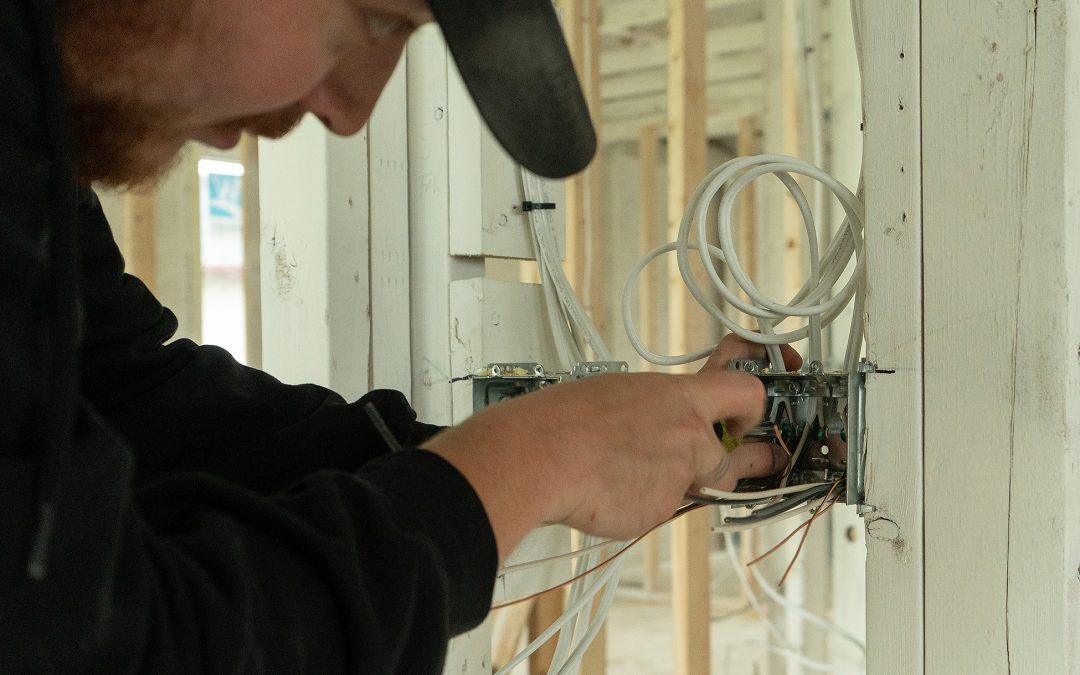
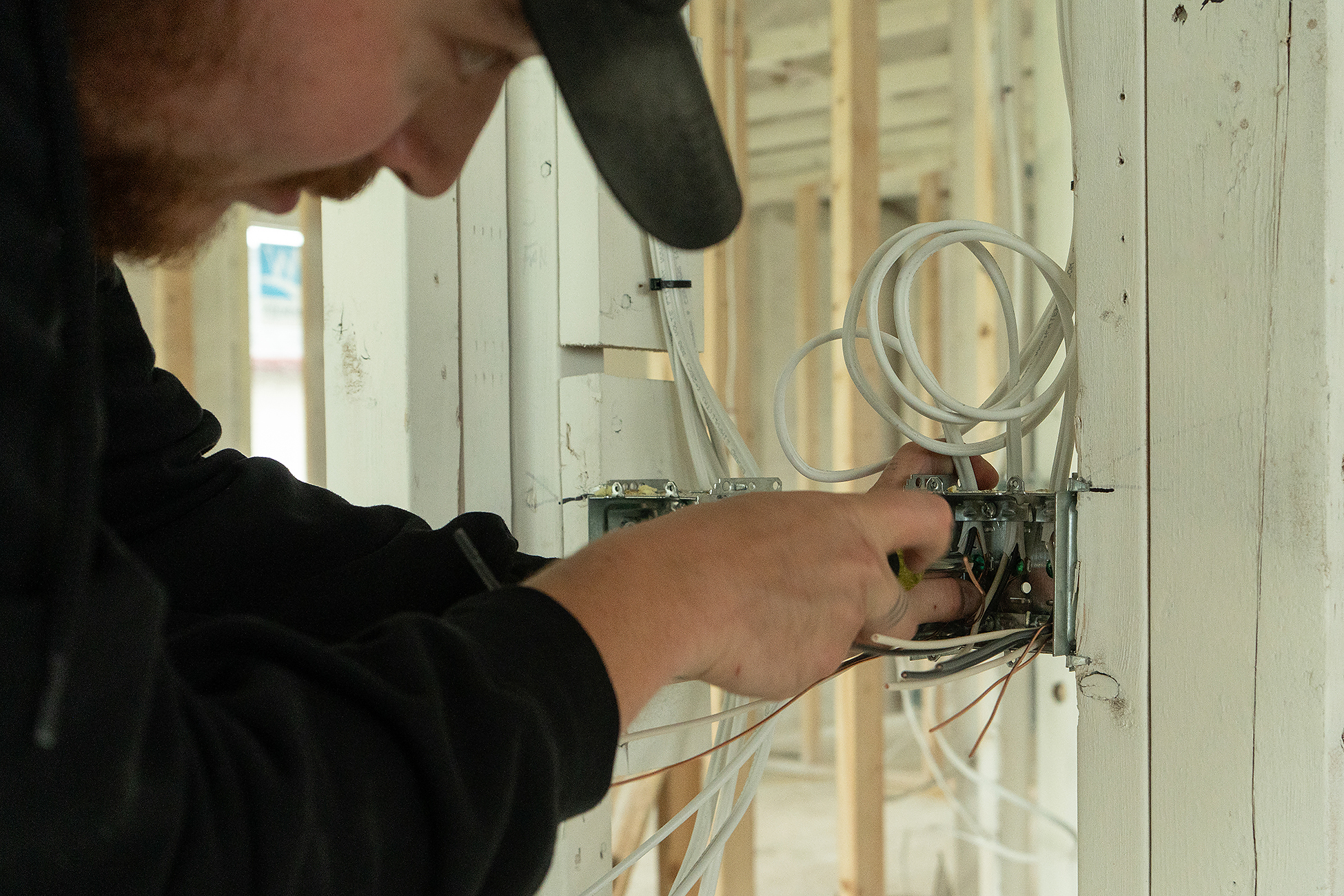
A certified Crew Technical Services electrician using a multimeter to troubleshoot an electrical panel in a Calgary home to diagnose a circuit fault.

Click.

Suddenly, the lights go out, the TV goes silent, and you’re left in the dark. That familiar sound of a circuit breaker tripping is more than just an annoyance—it’s a crucial message from your home’s electrical system. While it’s frustrating to have your power cut off and wonder why is my breaker constantly tripping – it’s important to understand that your breaker is doing exactly what it was designed to do: protect you.

That Familiar Sound: Why a Tripped Breaker is a Good Thing

Think of your circuit breaker panel as the nerve center of your home’s electrical system. Each breaker is a safety switch that constantly monitors the flow of electricity to a specific area or “circuit” in your home. When it detects an abnormal surge or an unsafe level of electrical current, it automatically trips, cutting off the power to that circuit.

This isn’t a malfunction; it’s a critical safety feature. By shutting down the power, the breaker prevents wires from overheating, which can melt their protective insulation and lead to a devastating house fire. It also protects your expensive electronics and appliances from being damaged by power fluctuations.

So, while a tripped breaker is inconvenient, it’s actually a sign that your electrical system is working to keep your family and your property safe. The real question isn’t why it tripped once, but why it keeps happening. A constantly tripping breaker is a persistent warning sign that there’s an underlying issue that needs to be addressed.

The 3 Main Reasons Your Breaker Keeps Tripping

A constantly tripping breaker in your Calgary home is typically a warning sign of one of three main issues: a circuit overload, where too many appliances are drawing power; a short circuit, a dangerous wiring fault that can cause a fire; or a ground fault, a specific type of short that poses a serious shock hazard. Identifying which one is the cause is key to ensuring your home’s safety.

Let’s break down each of these causes so you can understand what might be happening in your home.

The Common Culprit: Is Your Circuit Simply Overloaded?

By far, the most common reason for a circuit breaker to trip is a simple circuit overload. This is often the least dangerous cause and the easiest to identify.

What is a Circuit Overload?

Imagine your home’s electrical circuit is a highway. It’s designed to handle a specific amount of traffic (electrical current) safely. An overload occurs when you try to push too much traffic down that highway at once.

Every circuit in your home is rated for a maximum amount of amperage it can safely handle. When you plug in and run too many appliances on a single circuit simultaneously, their combined electrical demand can exceed that limit. This “traffic jam” of electricity causes the wires to heat up. Your breaker detects this dangerous heat build-up and trips to prevent a fire.

Telltale Signs of an Overloaded Circuit

Before a breaker trips from an overload, you might notice other warning signs. These are your electrical system’s way of telling you it’s under strain.

  • Flickering or Dimming Lights: Do your kitchen lights dim for a moment when the microwave starts? This is a classic sign that a high-draw appliance is maxing out the circuit’s capacity.
  • Buzzing Sounds: A faint buzzing or sizzling sound coming from an outlet or a light switch can indicate a loose connection or an overloaded circuit.
  • A Faint Burning Smell: A slight odor of burning plastic or dust near an outlet or your electrical panel is a serious warning that something is overheating.
  • Warm Outlet Covers: Outlet or switch plates that are warm to the touch are not normal. This heat is a direct result of excessive current flowing through the wires behind the plate.
  • Sluggish Appliances: If your vacuum cleaner seems less powerful than usual or your toaster takes longer to brown your bread, it could be because they aren’t receiving enough power from an overloaded circuit.

Your Safe Troubleshooting Checklist

If you suspect an overload, you can perform a simple, safe process of elimination to confirm it.

  1. Turn Off and Unplug: Go to the room or area that lost power. Turn off all the light switches and unplug every single appliance and electronic device from the outlets on that circuit.
  2. Reset the Breaker: At your electrical panel, locate the tripped breaker. It will likely be in the middle position, between “ON” and “OFF.” To reset it properly, you must first push the switch firmly all the way to the “OFF” position, and then flip it back to “ON.”
  3. Identify the Offender: Go back to the room and begin plugging in and turning on your devices one by one. Pause for a minute between each one. If the breaker trips again as soon as you turn on a specific appliance (like a space heater or a hair dryer), you’ve likely found the source of the overload.
  4. Redistribute the Load: High-power appliances like space heaters, air conditioners, microwaves, toasters, and hair dryers draw a significant amount of electricity. Try to avoid running more than one of these on the same circuit at the same time. Move one of the devices to an outlet in a different room, which is likely on a different circuit.

When an Overload Points to a Bigger Problem

If you’ve redistributed your appliances and the breaker still trips, or if a single large appliance trips the breaker even when it’s the only thing running, the issue is more than just a temporary overload. This often indicates that your home’s electrical system is no longer meeting the demands of modern life.

Many older Calgary homes were not built to handle the sheer number of electronic devices we use today. The solution is often to have a licensed electrician install a dedicated circuit. This is a circuit that serves a single, high-power appliance, ensuring it has all the power it needs without overloading the system. This is a common and necessary upgrade for modern kitchens (microwaves, air fryers), home offices (computers, printers), home gyms (treadmills), and workshops.

For modern kitchens, home offices, or workshops, having a licensed electrician install a dedicated circuit is often the best long-term solution. You can learn more about our professional(/residential/troubleshooting-repair) here.

Serious Faults: Red Flags That Demand an Immediate Call

If your troubleshooting points away from a simple overload, you could be dealing with a much more serious and dangerous electrical fault. These are not issues you should attempt to fix yourself. The following signs require an immediate call to a licensed electrician.

More Than an Overload: Understanding the Short Circuit

A short circuit is one of the most dangerous electrical malfunctions that can occur in your home. It happens when a “hot” electrical wire accidentally touches a “neutral” wire. This creates an unintended, low-resistance path for electricity to follow.

The result is a massive, uncontrolled surge of current that flows through the circuit in an instant. This surge generates intense heat, capable of melting wires and igniting surrounding materials like wood and insulation. This is a primary cause of electrical fires. When a short circuit occurs, your breaker is designed to trip instantly in a fraction of a second to stop this dangerous flow of current.

Warning Signs of a Short Circuit – Do NOT Ignore These

The signs of a short circuit are often sudden and alarming. If you experience any of the following, do not try to reset the breaker again.

  • The Instant Trip: You reset the breaker, and it trips again immediately, even with nothing plugged into the circuit. This is the clearest indication that the fault lies within the wiring in your walls, not with an appliance.
  • A Loud Pop or Sparks: A distinct popping sound, snapping noise, or visible sparks coming from an outlet, a switch, or the breaker panel itself is a sign of arcing electricity.
  • A Strong Burning Smell: Unlike the faint smell of an overload, the smell from a short circuit is often sharp and acrid, like burning plastic. This indicates that wire insulation is actively melting.
  • Scorched or Discolored Outlets: Any black or brown marks around the slots of an outlet are evidence of dangerous arcing and heat damage. Stop using that outlet immediately.

The Ground Fault: A Direct Threat of Electrocution

A ground fault is a specific and particularly dangerous type of short circuit. It occurs when a hot wire comes into contact with a grounded part of the system—like the metal outlet box inside your wall, the ground wire, or the metal casing of an appliance.

This creates an unintended path for electricity to flow directly to the ground. The extreme danger here is that if you touch the faulty appliance or conductive material, your body can become that path to the ground. This can result in severe electrical shock or electrocution.

The risk of a ground fault is significantly higher in areas where electricity and water can mix, such as kitchens, bathrooms, laundry rooms, garages, and outdoor outlets. This is why modern electrical codes require special Ground Fault Circuit Interrupter (GFCI) outlets in these locations. A GFCI outlet monitors for ground faults and can shut off power in milliseconds, long before a dangerous shock can occur.

Other Hidden Causes a Professional Can Find

Sometimes, the reason for a tripping breaker is less obvious and requires the diagnostic tools and experience of a professional.

  • A Worn-Out Breaker: Circuit breakers are mechanical devices with internal springs and contacts. Over time and after many trips, they can simply wear out and fail, tripping unnecessarily or not tripping when they should.
  • Arc Faults: Different from a short circuit, an arc fault occurs when old, damaged, or loose wiring creates tiny, intermittent sparks (arcs). These arcs are like tiny lightning strikes that generate immense heat and are a leading cause of electrical fires.
  • Hidden Wiring Damage: Behind your walls, wiring can be damaged by rodents chewing on insulation, a poorly placed screw or nail during a renovation, or simply degradation due to age, especially in older homes with aluminum wiring.

Your Path to a Safe and Reliable Electrical System

A tripping breaker might start as a small inconvenience, but ignoring it can lead to serious consequences.

The High Cost of Waiting to See Why is My Breaker Constantly Tripping

Continuously resetting a breaker without addressing the root cause is a gamble you should never take. The potential outcomes of ignoring the problem are severe: devastating house fires, irreparable damage to your sensitive electronics and major appliances, and the life-threatening risk of electrical shock.

Your tripping breaker isn’t the problem; it’s the alarm bell. It’s your home’s electrical system warning you that a dangerous condition exists. The only safe response is to have it professionally investigated.

Why a Licensed Electrician is Your Best Investment

When you call a licensed electrician from Crew Technical Services Services, you’re investing in peace of mind. We don’t just treat the symptom by flipping a switch; we use specialized diagnostic tools and years of experience to find the root cause of the problem.

We can determine if you have a dangerous short circuit in your walls, if an aging breaker needs replacement, or if your home could benefit from a dedicated circuit to support your modern lifestyle. A professional diagnosis ensures a correct and safe fix the first time, protecting your family and your property. This commitment to quality and safety is our promise to you.

Don’t Guess With Your Safety – Call Crew Technical Services

If your breaker is constantly tripping, it’s time to stop the frustrating cycle of resetting and guessing. Your family’s safety is too important to leave to chance. For a professional diagnosis and a safe, lasting solution, trust the licensed experts at Crew Technical Services. We respect your time and your home, providing clear explanations and quality workmanship for every Calgary family we serve.

Experiencing frequent breaker trips? Call Crew Technical Services today or schedule a professional diagnosis online to ensure your home is safe. Get a quote!